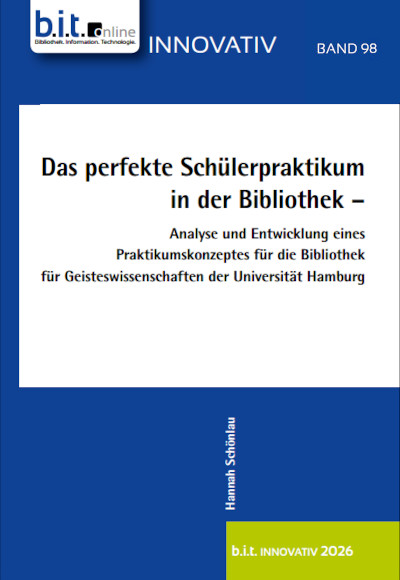

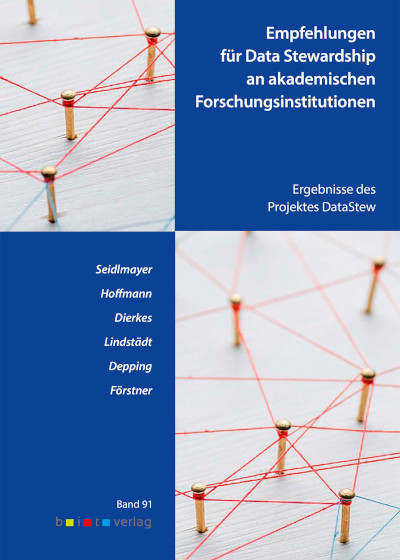



INNOVATIV
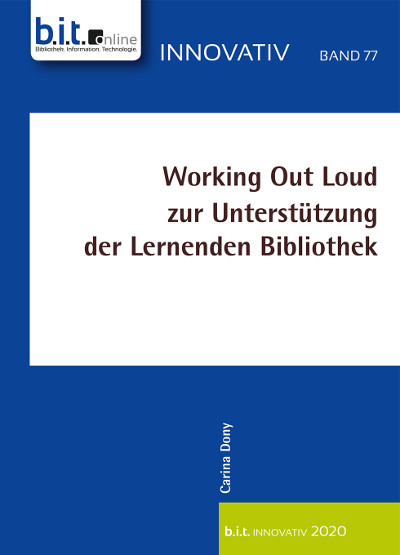
Band 79: Janet Wagner Band 78: Philip Franklin Orr Band 77: Carina Dony Band 76:
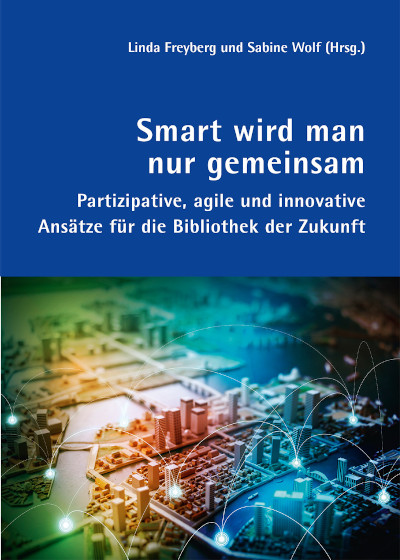
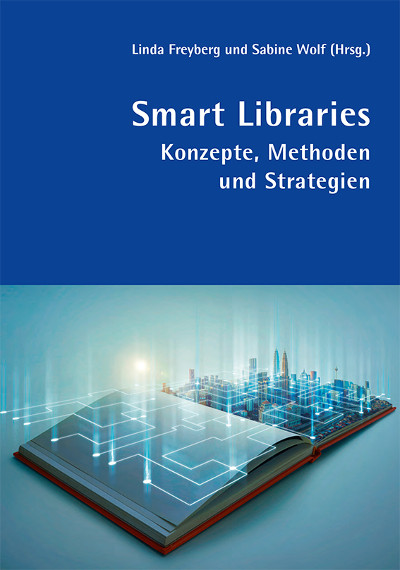
Linda Freyberg
Sabine Wolf (Hrsg.)
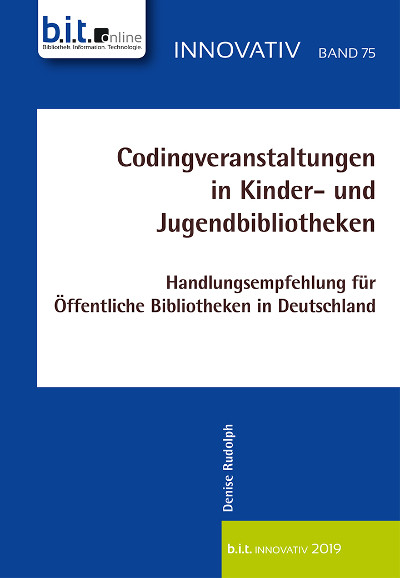
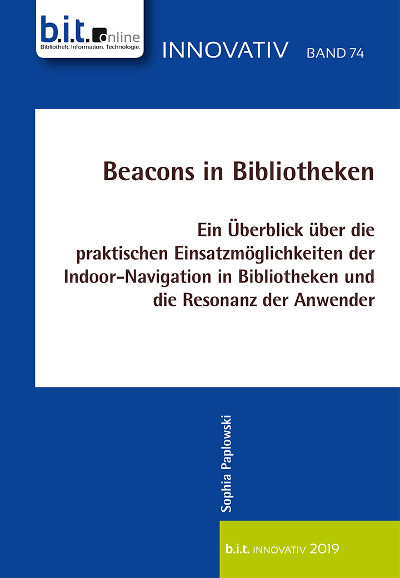
Band 75: Denise Rudolph Band 74: Sophia Paplowski Band 73: Carmen Krause Band 72:
Katrin Toetzke
Dirk Wissen
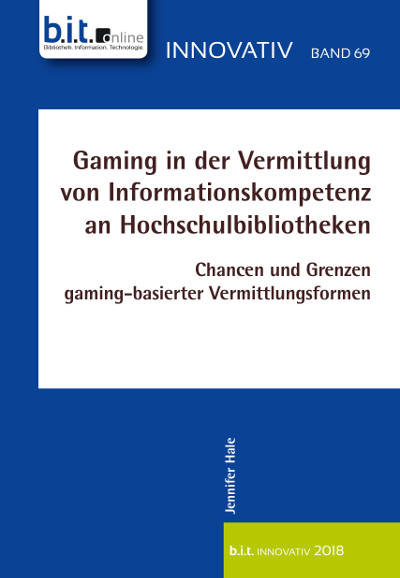
Band 71: Rahel Zoller Band 70: Sabrina Lorenz Band 69: Jennifer Hale Band 68:
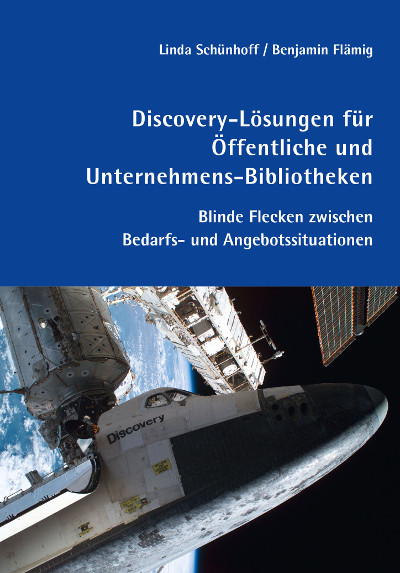
Linda Schünhoff
Benjamin Flämig
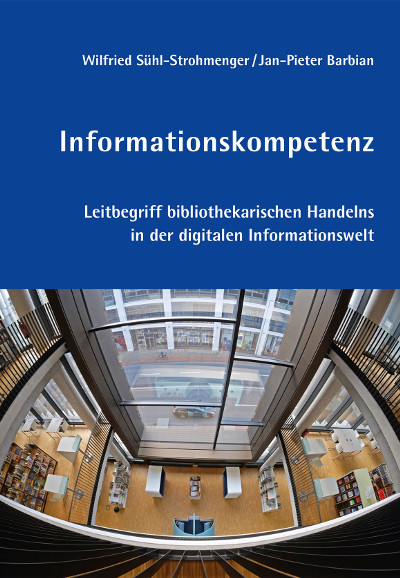
Band 67:
Wilfried Sühl-Strohmenger
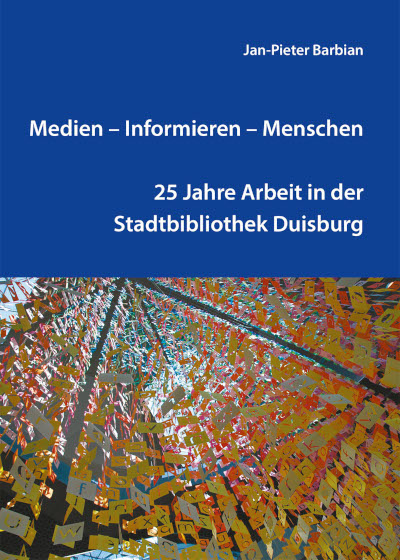
Jan-Pieter Barbian
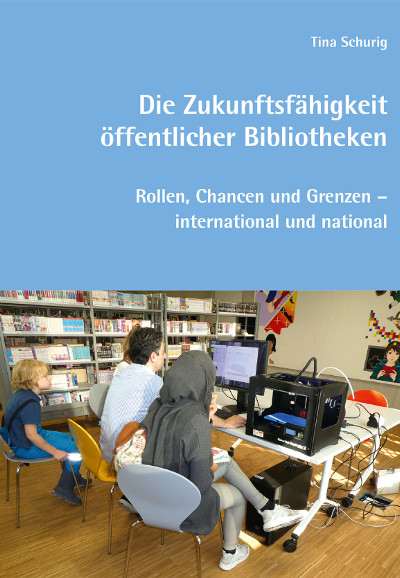
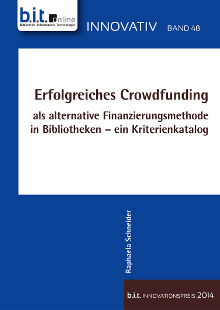
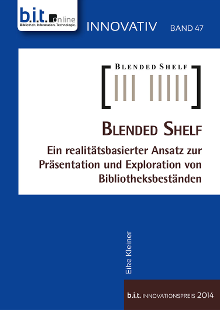
Band 66: Tina Schurig Band 65: Christine Niehoff Band 64: Eva May Band 63: Eva Bunge Band 62: Nathalie Hild Band 61: Martina Haller Band 60: Leonie Flachsmann Band 59: Susanne Göttker Band 58: Georg Ruppelt Band 57: Karin Holste-Flinspach Band 56: Rafael Ball Band 55: Bettina Schröder Band 54: Florian Hagen Band 53: Anthea Zöller Band 52: Ursula Georgy Band 51: Ursula Jaksch Band 50: Hermann Rösch (Hrsg) Band 49: Lisa Maria Geisler Band 48: Raphaela Schneider Band 47: Eike Kleiner
Bestellen Sie jetzt online!
9. September 2026
  WEITERE NEWS
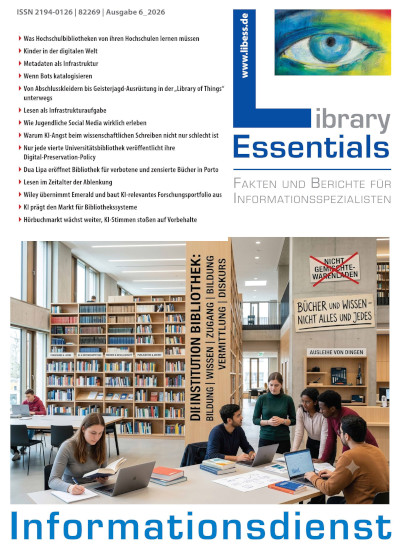
Aktuelles aus
L
ibrary
Essentials

In der Ausgabe 06/2026 (August 2026) lesen Sie u.a.:

  • Was Hochschul­bibliotheken von ihren Hochschulen lernen müssen
  • Kinder in der digitalen Welt
  • Metadaten als Infrastruktur
  • Wenn Bots katalogisieren
  • Von Abschlusskleidern bis
    Geisterjagd-Ausrüstung in der
    „Library of Things“ unterwegs
  • Lesen als Infrastrukturaufgabe
  • Wie Jugendliche Social Media
    wirklich erleben
  • Warum KI-Angst beim wissenschaftlichen Schreiben nicht nur schlecht ist
  • Nur jede vierte Universitätsbibliothek veröffentlicht ihre Digital-Preservation-Policy
  • Dua Lipa eröffnet Bibliothek für
    verbotene und zensierte Bücher in Porto
  • Lesen im Zeitalter der Ablenkung
  • Wiley übernimmt Emerald und baut
    KI-relevantes Forschungsportfolio aus
  • KI prägt den Markt für Bibliothekssysteme
  • Hörbuchmarkt wächst weiter,
    KI-Stimmen stoßen auf Vorbehalte
u.v.m.
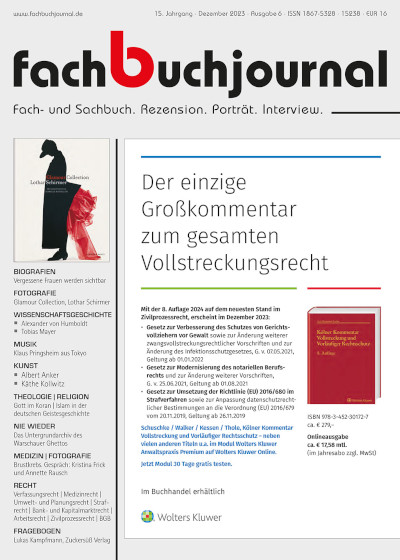
  fachbuchjournal
2009 bis 2023

New Springer Nature white paper confirms continued gold OA advantage, highlighting contribution to research visibility and impact

Authors publishing gold open access see seven times more downloads and 50% more citations for their research than other publishing models.

Publishing research via gold open access (OA) continues to deliver the highest usage, reach and impact for researchers, supporting the global transition and helping drive real-world impact. Eight years after Springer Nature first demonstrated the reach and impact advantages of gold, new evidence shows those benefits remain strong and consistent, despite changes across the OA landscape.

The publisher's latest white paper, From access to impact: How open access shapes research reach, citations and global visibility1, shows that when publishing gold OA, authors across all disciplines continue to benefit from:

  • Highest reach and visibility with almost seven times more downloads per research article than non-OA articles.

  • Increased impact for their work, with 50% more citations on average than non-OA articles.

  • Greater global equity and access with gold OA articles seeing over eight times more downloads in low-income countries and over seven times more downloads in lower-middle-income countries than non-OA articles.

Building on and extending the continued body of evidence, including the latest analysis from STM, around the impact and value of gold OA, these findings once again show a sustained gold OA advantage, reinforcing its value for authors seeking to maximise the visibility, reach and impact of their research, while helping broaden access to knowledge globally.

Commenting on the findings Katharine Szamuely, Vice President, Open Access at Springer Nature, said:

“At a time of continued debate about how best to advance open access sustainably and at scale, what is particularly striking about these findings is their consistency. Eight years after we first demonstrated the advantages of gold OA, the evidence continues to show that the gold route delivers greater visibility, reach and impact for research. By making the trusted version of record immediately available, gold OA delivers tangible benefits for researchers, institutions and society around the world.

After more than two decades of advancing OA, we remain convinced that gold has a central role to play in enabling immediate access to high-quality research. Supporting its continued growth in ways that are sustainable, equitable and responsive to different funding models will be key to ensuring research can be shared, discovered and built upon by researchers, policymakers, educators and innovators around the world."

Springer Nature's earlier research into the role and impact of OA alongside the data published in its Annual and OA reports, can all be found at the respective links. Research also corroborates recent analysis from STM which shows gold OA remains the principal driver of immediate, freely available access to research.

https://stories.springernature.com/from-access-to-impact-open-access-research/index.html


1 The report analyses 204,781 articles published in 2024 across 1,812 Springer Nature hybrid journals. The articles are published across all disciplines.