








INNOVATIV
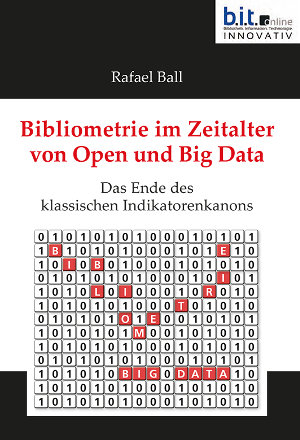
Band 79: Janet Wagner Band 78: Philip Franklin Orr Band 77: Carina Dony Band 76:
Linda Freyberg
Sabine Wolf (Hrsg.)
Band 75: Denise Rudolph Band 74: Sophia Paplowski Band 73: Carmen Krause Band 72:
Katrin Toetzke
Dirk Wissen
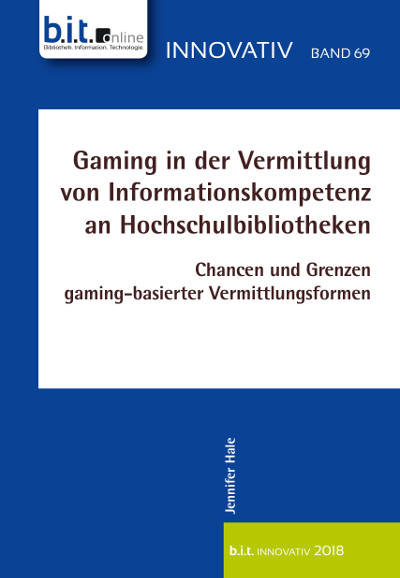
Band 71: Rahel Zoller Band 70: Sabrina Lorenz Band 69: Jennifer Hale Band 68:
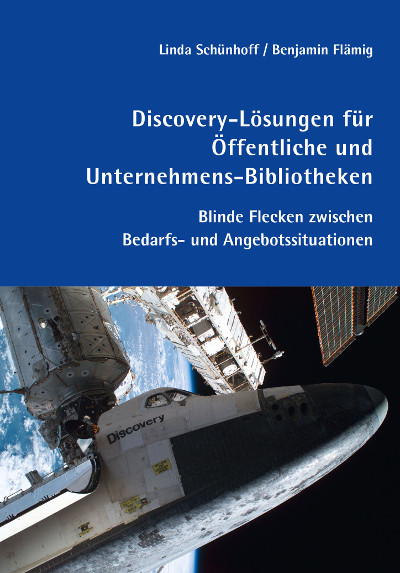
Linda Schünhoff
Benjamin Flämig
Band 67:
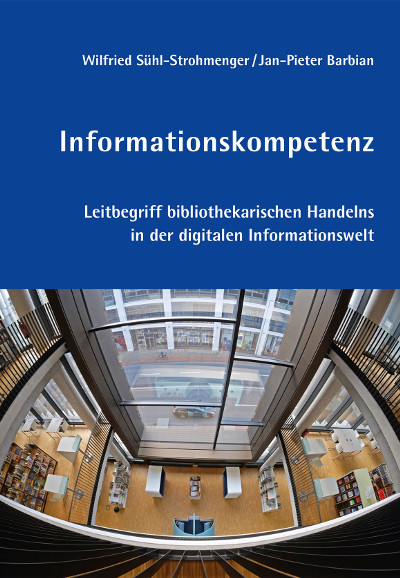
Wilfried Sühl-Strohmenger
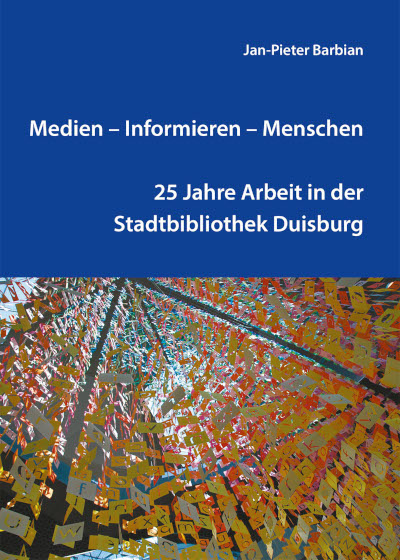
Jan-Pieter Barbian
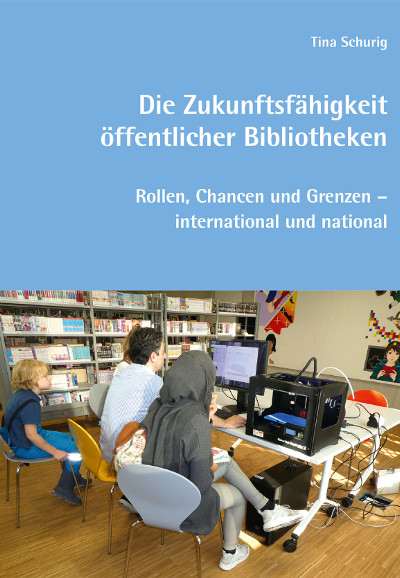
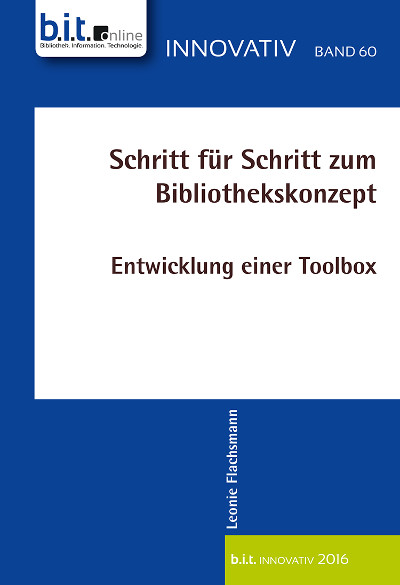
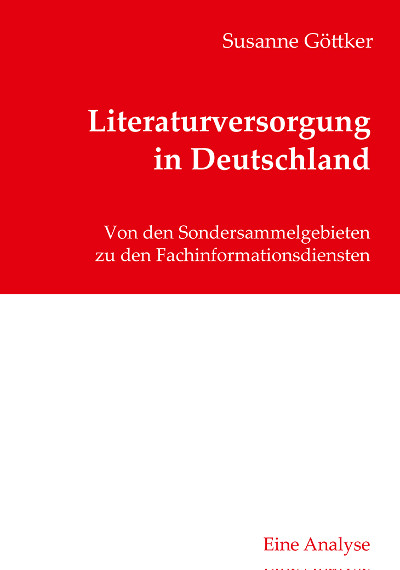
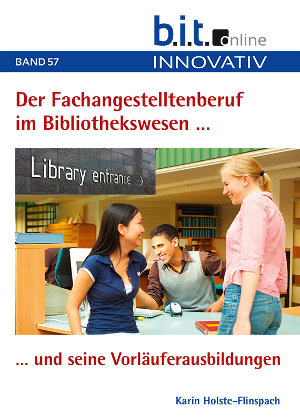
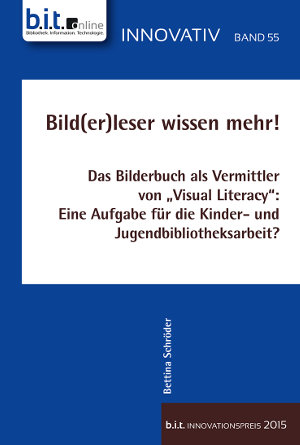
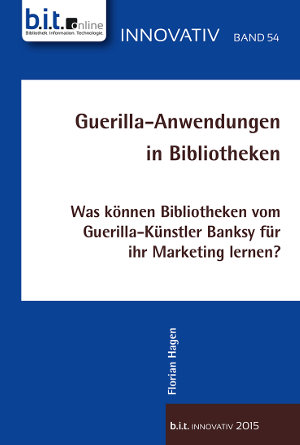
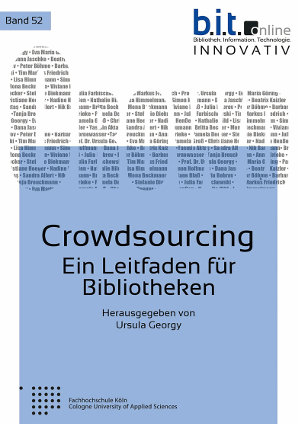
Band 66: Tina Schurig Band 65: Christine Niehoff Band 64: Eva May Band 63: Eva Bunge Band 62: Nathalie Hild Band 61: Martina Haller Band 60: Leonie Flachsmann Band 59: Susanne Göttker Band 58: Georg Ruppelt Band 57: Karin Holste-Flinspach Band 56: Rafael Ball Band 55: Bettina Schröder Band 54: Florian Hagen Band 53: Anthea Zöller Band 52: Ursula Georgy Band 51: Ursula Jaksch Band 50: Hermann Rösch (Hrsg) Band 49: Lisa Maria Geisler Band 48: Raphaela Schneider Band 47: Eike Kleiner
Bestellen Sie jetzt online!
3. Mai 2026
  WEITERE NEWS
Aktuelles aus
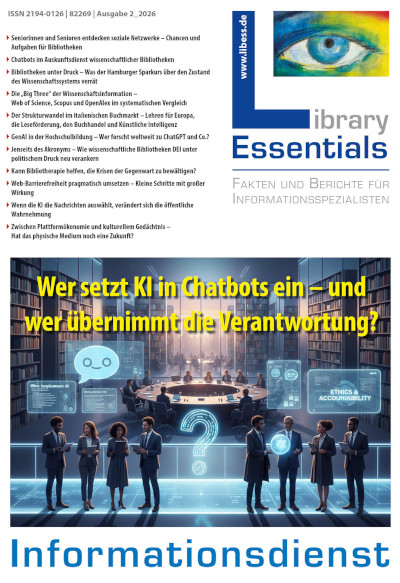
L
ibrary
Essentials

In der Ausgabe 03/2026 (April 2026) lesen Sie u.a.:

  • Nationales Kultur­erbe unter Druck: Der Stopp des DNB-Erweiterungsbaus und seine Folgen
  • Entwicklungen im Medienalltag
  • Vom Datenhype zur Datenkompetenz: Warum Data Literacy zur Kernaufgabe
    von Bibliotheken wird
  • Warum Bibliotheken bei KI, Lizenzen
    und Fair Use mitreden müssen
  • Entwicklungen für die Zukunft
    von Bibliotheken
  • Forschungsdaten als Publikationsform
  • Wie Forschende mit KI-gestützten Recherchetools arbeiten
  • KI-Erschöpfung und „Vocational Awe“
    in wissenschaftlichen Bibliotheken
  • Aufmerksamkeitskrise oder Designproblem? Was Bibliotheken aus der Debatte über Lesen und Bildschirme lernen können
  • Die Stiftsbibliothek St. Gallen:
    Ein 1.300 Jahre altes Wissensarchiv
  • Bibliotheken als Räume für Wohlbefinden
    im Gesundheitswesen
  • Das Ende eines Formats: Der Niedergang des Massenmarkt-Paperbacks
u.v.m.
  fachbuchjournal
2009 bis 2023

Testimonies from Genocide Survivors – Enrich Research & Learning at MSU

Faculty and students in multiple disciplines gain new insights through USC Shoah Foundation’s acclaimed Visual History Archive®

Michigan State University is one of a growing number of institutions using video testimonies from genocide survivors to inspire learning and new research insights across multiple academic disciplines. The University is providing its students, faculty and researchers with access to University of Southern California (USC) Shoah Foundation’s Visual History Archive®, the world’s largest collection of eyewitness accounts from genocide witnesses and survivors, available through ProQuest.

“Moving forward into an era in which we will no longer be able to speak with Holocaust survivors personally, oral testimonies provide essential historical and emotional truths about the Holocaust,” said Amy Simon, William and Audrey Farber Family Endowed Chair in Holocaust Studies and European Jewish History at Michigan State University.

“Faculty from a range of disciplines are interested in furthering their research through this archive,” added Simon. “All of us hope to complement our printed sources with these oral testimonies as we write about history, language, economics, trauma studies, literature, and more. Many of us have also begun using these testimonies in the classroom, encouraging our students to delve into them in their own research.”

The Visual History Archive includes 54,000 video interviews, each one a source of unique and powerful stories from the Holocaust and other genocides, including those that occurred in Rwanda, Guatemala, Armenia and Nanjing. Soon to be added will be testimonies from Cambodia. The average length of each testimony is about two hours, preserving a complete personal history of life before, during and after the subject’s firsthand experience with genocide. Digitized, fully searchable via indexed keywords, and hyperlinked to the minute, the archive contains more than 114,000 hours of testimony that can be precisely narrowed to pinpoint topics of interest, making it particularly useful to students, faculty and researchers.

USC Shoah Foundation and ProQuest launched a partnership in 2016 to dramatically improve access, discovery and contextual understanding to the content of the Visual History Archive. The ability to connect the streamed video and metadata to a library’s holdings of ProQuest content – which can span dissertations, historical news, periodicals, scholarly journals, government records, primary source documents, and ebooks – provides researchers with a much richer experience and greater insights about the impact of these exceptional testimonies.

ProQuest is continuing to invest in the Visual History Archive. In 2017 and 2018 ProQuest plans to design and develop a new Visual History Archive product on its ProQuest® platform for academic researchers, enabling more enhanced indexing and cross-searching with its extraordinary range of curated, diverse and highly sought after research content.  Additionally, ProQuest is collaborating with USC Shoah Foundation to create many more transcriptions of the testimonies, beginning with ones in English.  ProQuest will add more subject terms from ProQuest’s vast content as well as include terms that complement the indexing methods used by the Institute, with the intent of providing researchers with an enhanced search experience and to more finely pinpoint their results. Indexing will be discoverable via the Summon®, Primo® and OCLC® discovery services.

http://www.proquest.com