





























INNOVATIV
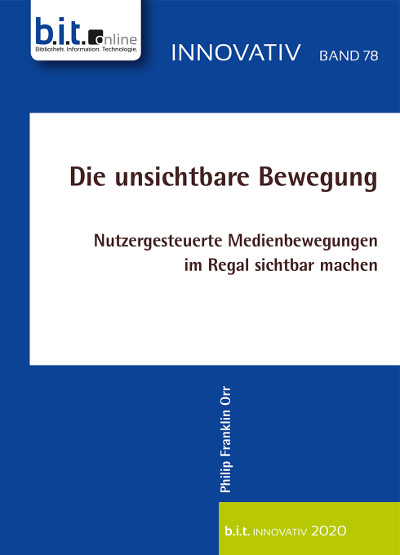
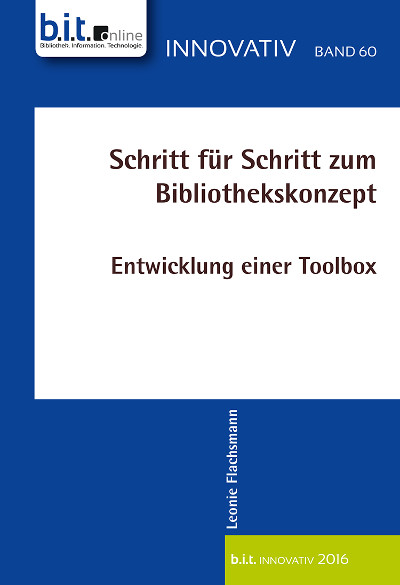
Band 79: Janet Wagner Band 78: Philip Franklin Orr Band 77: Carina Dony Band 76:
Linda Freyberg
Sabine Wolf (Hrsg.)
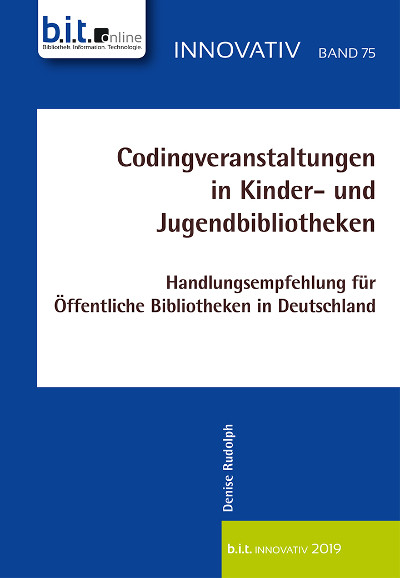
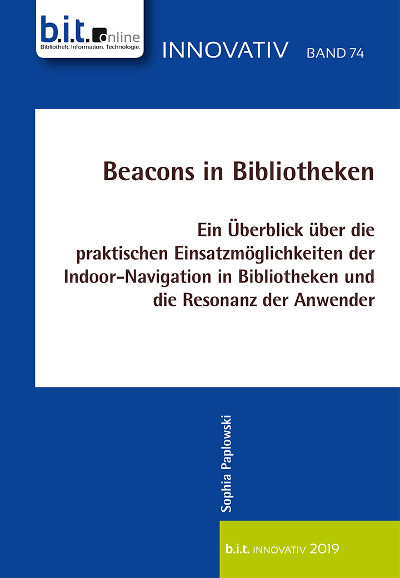
Band 75: Denise Rudolph Band 74: Sophia Paplowski Band 73: Carmen Krause Band 72:
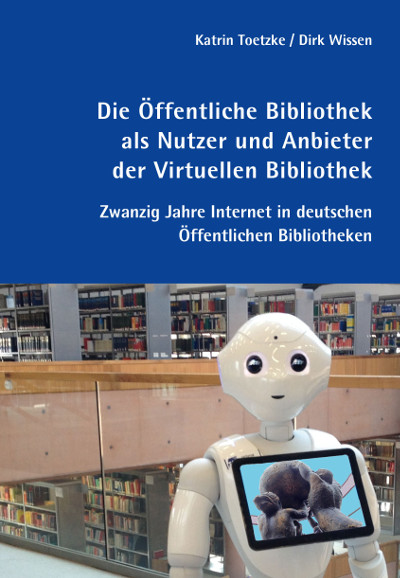
Katrin Toetzke
Dirk Wissen
Band 71: Rahel Zoller Band 70: Sabrina Lorenz Band 69: Jennifer Hale Band 68:
Linda Schünhoff
Benjamin Flämig
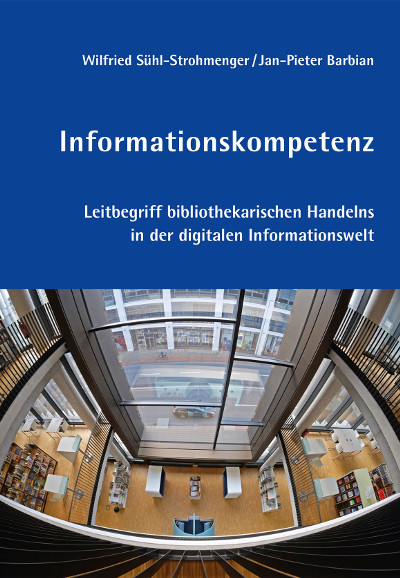
Band 67:
Wilfried Sühl-Strohmenger
Jan-Pieter Barbian
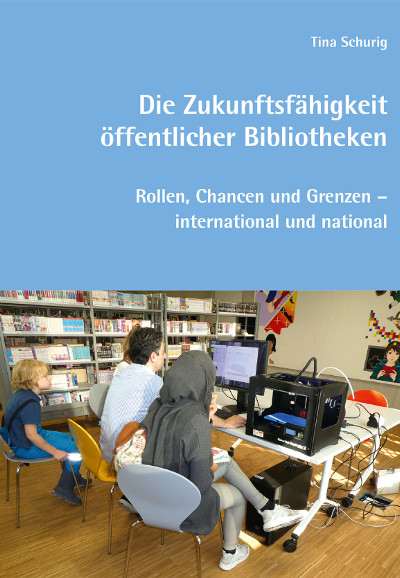
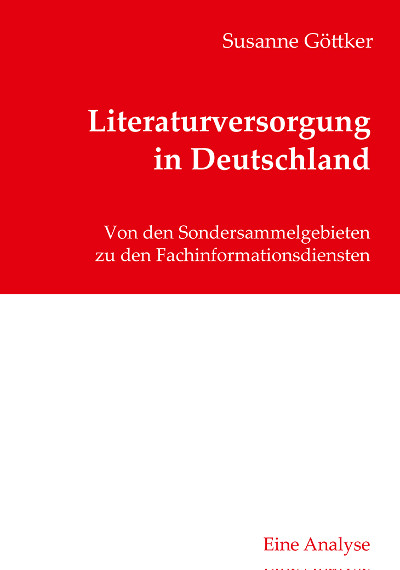
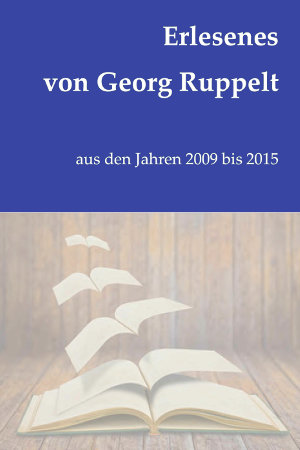
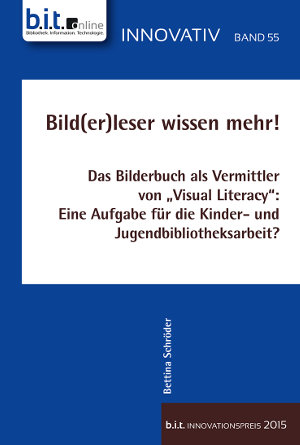
Band 66: Tina Schurig Band 65: Christine Niehoff Band 64: Eva May Band 63: Eva Bunge Band 62: Nathalie Hild Band 61: Martina Haller Band 60: Leonie Flachsmann Band 59: Susanne Göttker Band 58: Georg Ruppelt Band 57: Karin Holste-Flinspach Band 56: Rafael Ball Band 55: Bettina Schröder Band 54: Florian Hagen Band 53: Anthea Zöller Band 52: Ursula Georgy Band 51: Ursula Jaksch Band 50: Hermann Rösch (Hrsg) Band 49: Lisa Maria Geisler Band 48: Raphaela Schneider Band 47: Eike Kleiner
Bestellen Sie jetzt online!
1. März 2026
  WEITERE NEWS
Aktuelles aus
L
ibrary
Essentials

In der Ausgabe 10/202501/2026 (Dezember – Januar 2025–2026) lesen Sie u.a.:

  • Soziale Medien und Aufmerksamkeits­entwicklung bei Kindern: Neue Lang­zeitdaten zur ADHS-Risikodiskussion
  • Repositorien im Wandel: Analyse zentraler Einflussfaktoren für die nächsten Jahre
  • Wie inklusiv Sammlungen in Bibliotheken und Archiven wirklich sind
  • Synergien von KI-Chat und Suche:
    Wie unterschiedliche Altersgruppen
    Information Retrieval neu gestalten
  • Kulturerbe-Daten im Zeitalter der KI:
    Ein neues Zugangsmodell für Institutionen
  • Jugendliche, soziale Medien und KI-Chatbots: Digitale Nutzungsrealitäten 2025
  • Buchclubs als unterschätzte Brücke zwischen Campusleben und Bibliothek: Neue Impulse aus US-Hochschulbibliotheken
  • AI Librarian in Japan
  • Altersgrenzen für soziale Medien:
    Europas nächste Regulierungsdebatte
  • KI und Journalismus:
    Neue Machtverschiebungen
    im Markt für Nachrichteninhalte
  • Print ist tot, es lebe Print!
u.v.m.
  fachbuchjournal

Nielsen Book releases its 2015 Understanding the Children’s & YA Book Consumer report

Since 2012, Nielsen Book has undertaken a detailed annual survey to investigate children’s and young adults book reading and buying habits in the context of other leisure and entertainment pursuits. For the first time in 2015, in addition to the nationally representative sample of 1,500 parents of 0-13 year olds and 500 14-17 year olds, the survey included 1,000 18-25s, to help Nielsen investigate how habits and attitudes change as people move from the teenage years to adulthood.

In 2015, the proportion of 0-17s reading books for fun/being read to on a weekly basis dropped a further 1 percentage point over 2014, with significant increases in the number of children using YouTube and – in particular – watching TV/films on mobile devices (numbers watching on TV have also increased). Since 2012 the proportion using YouTube has increased by over 18 percentage points, with watching of TV/films on devices up 19 percentage points – and the use of games apps up a massive 23 percentage points.

Since 2012, the biggest decrease in weekly book reading has been among 3-10 year olds, although books still ranks as the most widespread leisure activity for 0-10 year olds – before dropping into fifth position for 11-13s and out of the top 9 activities for those aged 14+.

For the first time, Nielsen Book has segmented 0-25s into groups, which will further help publishers to better understand their consumers. ‘Superfans’ – the very heaviest readers – tend to be female, appear in all age bands, but have an average age of 12. They are collectors and recommenders of books, particularly like printed formats and spend less time than average on mobile devices. The ‘Distractable’ (fairly heavy book readers but who tend to favour other activities) and the ‘Anti’ groups are more likely to be males, with the ‘Anti’ group being older (14 on average) and the ‘Distractables’ younger (11 on average). Finally, the ‘Potential’ group – who have positive attitudes towards books, yet tend to be lighter readers – are as likely to be boys as girls. This group currently favours printed books, are particularly keen on adaptations and is the most interested in trying digital reading in future; with the right content, format and messaging, this is a market that publishers can grow.

In addition to looking at reading, device use and other leisure activities, the report also explores in detail how book discovery, sources of books, purchase influences, genre preferences and YA author readership vary between the different reading segments and by age.

www.nielsen.com